Sep 27 2013
Peter Sloterdijk
Philosopher & Author
 Peter Sloterdijk is the rector of the Hochschule für Gestaltung in Karlsruhe and Professor of philosophy and ethics at the University of Vienna. The conference, entitled Rules for the Human Park that he gave in 1999 at the symposium on Heidegger, aroused an international debate on the possible end of humanism and self-domestication of the human species as possible.
“One of the most famous contemporary German philosophers”
Prof. Sloterdijk is also a guest Professor at the Academy of the Forming Arts, Vienna Bard College, New York, and guest Lecturer at the College International de Philosophie, Paris, and the Swiss Federal Technical University in Zurich. Peter became a freelance writer after graduation. Numerous works covering time diagnostics, culture and religion philosophy, art theory and psychology have been published up to 1992. His publication “Kritik der zynischen Vernunft” is the highest sold philosophical work in the German language since the Second World War.[/expand]
Peter Sloterdijk is probably the foremost German thinker of today, and certainly one of the most controversial. Strongly inspired by Heidegger, Peter is well known for his examinations of the modern human condition through engaging discussions on genetic engineering, mass media, and the unification of Europe.[/expand]
A modern philosopher in every sense, who will shock, inspire and enlighten all audiences with a touch of humour thrown in, Prof. Sloterdijk’s unique philosophical language successfully describes the undercurrents of modern thinking and society for today’s audience.[/expand]
Continue Reading »
Comments Off on Peter Sloterdijk
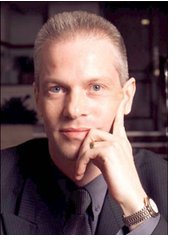 Robert Phipps is one of the UK’s best known body language experts and has given his commentary and analysis of all the major news stories and party political leaders since 2002. Robert was the resident expert on the Trisha Goddard Show for more than eight years with well over 100 appearances whilst also working for several years as guest analyst on Big Brother’s Little Brother.He has written and commented for almost every national newspaper and magazine in the UK and has contributed to many specific journals.
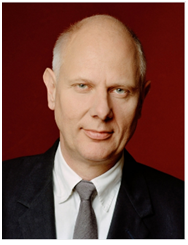 Matthias Horx sees the current economic crisis as a productive process for a necessary change in the economy, politics and society. Matthias Horx draws lessons from the past and warns of the danger of anxiety and collective hysteria. Horx himself takes an optimistic view of the future and urges readers to see change as an opportunity to be seized. ARTS.21 talks to Horx about his vision of the future.
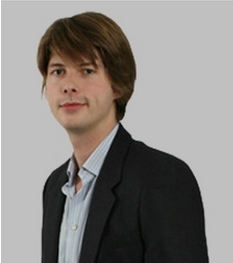 Lucian is the energetic face behind BraveNewTalent.com, the social recruiting platform that builds social media communities for employers. He has been honoured as Europe’s youngest Young Global Leader (YGL) by the World Economic Forum. Lucian used the BraveNewTalent platform to head up the global social media outreach for One Young World – An initiative to give young people a place to engage and have their voices heard about their future. BraveNewTalent successfully engaged over 100,000 young people from more than 140 countries without any advertising budget.
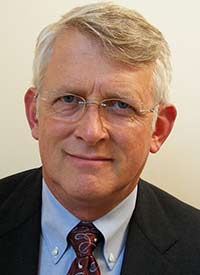 Dr. Jeffrey C. Bauer is an established expert on key trends that shape the future of the industry, with 40+ years of experience as a medical school professor and consultant to leading providers of health services. Widely known for his specific proposals to create efficient and effective health care delivery systems though multi-stakeholder partnerships and other initiatives focused in the private sector, he forecasts the evolution of health care and presents practical approaches to improving a country’s medical marketplace.
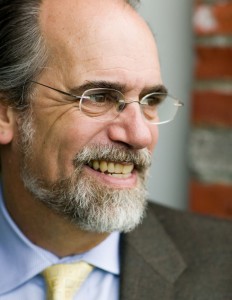 Joe Flower is one of the most respected voices in the healthcare industry, a provocative thought leader on the deep forces changing healthcare who has been immersed in the details of healthcare for 30 years. He is a bridge, an interpreter, a communicator, a motivator with a vision from 50,000 feet as to where the current trends may be heading. For over 20 years he was a contributing editor and regular columnist at the Healthcare Forum Journal. He continues to explore the future of healthcare with an extraordinary variety of other players across healthcare.
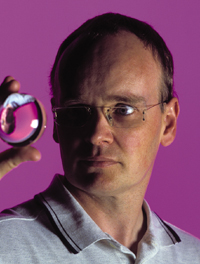 Dr. Ian Pearson works for Futurizon as their futurologist, having previously been with BT until 2007, and concentrates on mapping the progress of new developments throughout information technology, considering both technological and social implications. As a futurologist he speaks on all aspects of the future, across the whole field of industry and commerce, government and society. He has received many awards for his papers, written several books and has made approximately 400 TV and radio appearances.
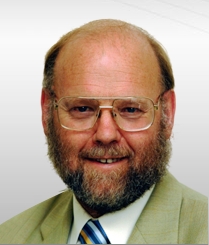 Ian Wilmut is an English embryologist and is currently one of the leaders of the Queen’s Medical Research Institute at the University of Edinburgh. He is best known as the man who played a supervisory role in the team that in 1996 first cloned a mammal, a Finn Dorset lamb named “Dolly”. Dolly was the first clone derived from adult cells. She died early, in 2003, at 6 years old. In 2005, Ian received the licence to clone human embryos for research that may one day help find a cure for motor neuron disease. In 2008 he received the Honour of Knighthood for his services to science.
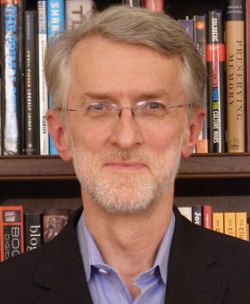 Jeff Jarvis is the creator of the popular weblog BuzzMachine, which tracks developments in new media, and is now co-host on This Week in Google, a TWiT.tv show about cloud computing and social networking. He gained national notoriety when he wrote about his negative experiences in dealing with Dell Computer’s customer support system on his website.
  Jane McGonigal is a brilliant designer of online mass roleplaying games. She’s also on the forefront of academic research on societal development and computer gaming. She is best known for creating games that inspire global-scale collaboration and collective intelligences. Most recently, she directed the world’s first massively multiplayer forecasting game Superstruct, which brought together more than 7000 future forecasters from 90 countries to tackle real-world problems such as pandemics, food systems, and climate change. The Association of Professional Futurists honoured Superstruct as the “Most Important Futures Work of 2008”.